Understanding THC Shatter: A Connoisseur's Guide to This Potent Concentrate
If you have spent any time around cannabis concentrates, you have probably come across a glassy, amber-colored substance that looks more like a piece of hard candy than something you would dab. That is shatter. Among the many forms of cannabis extract, THC shatter has earned a reputation for its high potency and unique handling characteristics. It is not just another concentrate; it represents a specific approach to extraction that prioritizes purity and effect.
For anyone who has worked with live resin or budder, the contrast is immediate. Live resin preserves more of the fresh plant's terpene profile, while budder is whipped into a creamy consistency. Shatter sits somewhere else on the spectrum. It is brittle at room temperature, often requiring careful handling to avoid breaking a piece off that flies across the room. But that fragility is a sign of something important: a clean, highly refined product with a high THC percentage.
What Exactly Is THC Shatter?
Shatter falls under the broader category of BHO, which stands for butane hash oil. This is a concentrate made through hydrocarbon extraction. In simple terms, a solvent like butane or propane is passed through cannabis plant material to strip away the trichomes and their valuable cannabinoids. The solvent is then purged under heat and vacuum, leaving behind a glassy resin. When done correctly, the result is a translucent, non-crystalline solid that snaps when you break it. That is the shatter consistency.
The term "THC shatter" specifically points to the cannabinoid profile. While all shatter contains a range of cannabinoids and terpenes, high-THC shatter is prized by experienced dabbers who want a potent, fast-acting effect. A typical batch can test between 70% and 85% THC, though some premium runs push higher. That kind of potency means a small dab goes a long way. For someone with a low tolerance, a grain-of-rice-sized piece can be plenty. For a seasoned connoisseur, a larger dab on a hot quartz banger delivers a heavy, immediate experience.
How It Compares to Other Concentrates
To appreciate THC shatter, it helps to understand where it fits alongside other common concentrates. The market now offers options like live resin, which is made from fresh-frozen plant material and preserves delicate terpenes. Live resin tends to have a more aromatic flavor profile, but it can be less stable at room temperature. Budder is another popular form, created by whipping the extract into a soft, butter-like consistency. Both live resin and budder are easier to handle with a dab tool, but they may contain more residual solvent or plant waxes depending on the extraction method.
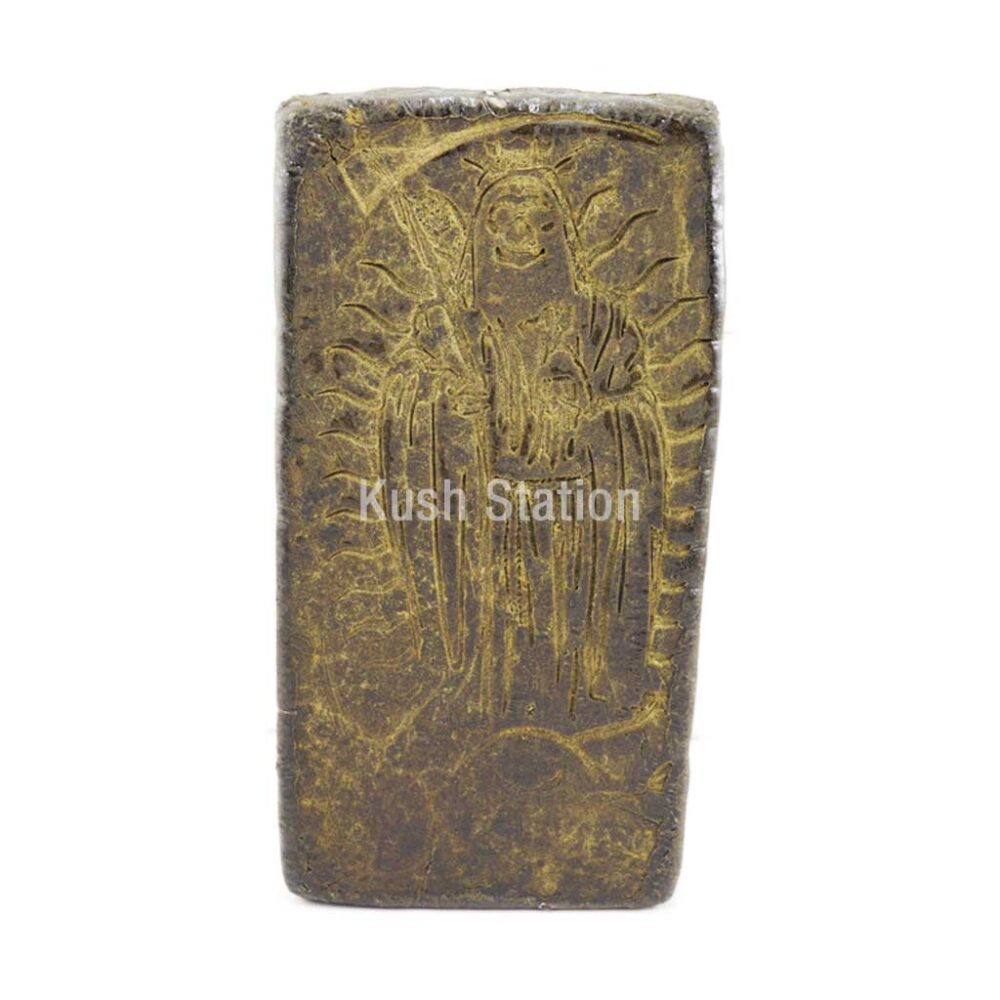
Hash, the oldest concentrate, is made by mechanical separation rather than solvent extraction. It comes in many forms, from pressed bricks to loose, powdery kief. Hash usually has a lower THC percentage than shatter, often between 40% and 60%. For some users, that lower potency is desirable because it offers a more balanced, full-spectrum effect. But if you are after raw potency and a clean, solvent-free experience, high-grade shatter remains a benchmark.
One key distinction is the extraction process itself. Hydrocarbon extraction, which produces BHO and shatter, can yield a very pure product if done carefully. The solvent is fully removed during the purge, leaving only the desired cannabinoids and terpenes. In contrast, solventless extraction methods like rosin pressing use only heat and pressure, no chemicals. Rosin is popular among purists, but it often yields lower total volume and can be messier to handle. Solventless extraction preserves more of the original plant's flavor, but shatter offers a cleaner, more potent concentrate for those who prioritize THC percentage above all else.
Dabbing THC Shatter: Tools and Technique
If you are new to dabbing, the setup can feel a bit involved. The classic approach uses a dab rig, which is a water pipe designed for concentrates. You heat a quartz banger with a torch lighter until it reaches the right temperature, typically between 350°F and 450°F for flavor, or hotter for bigger clouds. Then you apply the shatter to the hot surface using a dab tool, cover it with a carb cap to control airflow, and inhale. The carb cap helps create a low-pressure environment inside the banger, allowing the concentrate to vaporize more efficiently at a lower temperature. This preserves terpenes and reduces throat irritation.
For those who dab regularly, an enail offers a consistent temperature without the guesswork of a torch lighter. An enail is essentially an electric heating element that replaces the torch. You set your desired temperature, wait for it to stabilize, and dab. It eliminates the risk of overheating the quartz banger, which can degrade the flavor and even damage the banger over time. Many experienced dabbers prefer an enail for sessions where precision matters.
Handling shatter requires a bit of finesse. Unlike budder or live resin, which are sticky and pliable, shatter is hard and brittle. If you try to break a piece by pressing too hard, it can shatter into tiny fragments that are hard to collect. The trick is to use a sharp, pointed dab tool and score a small piece off the edge. Some people warm the shatter slightly with their fingers or a gentle heat source to soften it before scooping. That makes it easier to transfer to the banger without losing any material.
Potency is a major reason why people choose THC shatter over other concentrates. A single dab can deliver a powerful, fast-acting effect that builds quickly. For medical users, that means rapid symptom relief without having to inhale a large volume of vapor. For recreational users, it offers an intense, cerebral high that can be both euphoric and functional depending on the strain profile. Because shatter is so concentrated, even a small amount can produce a strong effect. That makes it economical in the long run, provided you store it properly.
Storage matters more than you might think. Shatter should be kept in a cool, dark place, ideally in a silicone or glass container. Heat can cause it to soften and lose its glassy structure, while light degrades cannabinoids over time. If you store it in a warm environment, it may turn into a sticky, budder-like consistency. That is not necessarily bad, it just changes the texture. But if you want to preserve the original shatter form, keep it in a refrigerator or a cool drawer. Some connoisseurs even store their shatter in a small, airtight jar with a moisture pack to maintain ideal humidity.
The Role of Terpenes and Cannabinoids
One of the reasons shatter is so popular among experienced users is its concentration of terpenes and cannabinoids. Terpenes are the aromatic compounds that give cannabis its distinctive smell and flavor. In shatter, the terpene profile can be quite pronounced if the extraction was done at low temperatures and the starting material was high quality. Myrcene, limonene, and pinene are common terpenes that contribute to the overall experience. Together with cannabinoids like THC, CBD, and CBG, they create what is known as the entourage effect, the synergistic interaction between different compounds.
When you dab THC shatter, you are getting a concentrated dose of these compounds without the plant material. That means the effects are more immediate and more intense than smoking flower. The experience can be overwhelming for someone who is not used to high-potency products. It is always a good idea to start with a small dab and wait a few minutes before taking another. The effects can build quickly, and it is easier to add than to subtract.
Quality Indicators and What to Look For
Not all shatter is created equal. High-quality THC shatter should be translucent, with a clear amber or golden color. Cloudiness or a dark, opaque appearance can indicate that the extraction was not fully purged of solvent, or that the starting material was old or degraded. A good shatter should be hard and brittle at room temperature, but it should not be so brittle that it shatters into dust when you touch it. It should snap cleanly when you break a piece off.
Another sign of quality is the smell. Fresh shatter should have a strong, distinct aroma that reflects the strain it came from. If it smells like burnt plastic or has no smell at all, that is a red flag. When you dab it, the vapor should be smooth and flavorful, with minimal harshness. Harsh vapor can be a sign of residual solvent or impurities. A reputable source like KushStation tests their products for potency and purity, so you know what you are getting. They offer a range of concentrates sorted by type, potency, and price, making it easy to find exactly what you are looking for.
Practical Tips for Beginners
If you are trying THC shatter for the first time, here are a few things to keep in mind:
- Use a quality dab rig with a quartz banger and a carb cap. The setup makes a big difference in flavor and smoothness.
- Heat the banger with a torch lighter for about 30 seconds, then let it cool for 45 seconds to a minute before applying the shatter. This gives you a low-temperature dab that preserves flavor.
- Start with a dab about the size of a grain of rice. You can always take another, but it is hard to undo an overwhelming dose.
- Store your shatter in an airtight container in a cool, dark place. Avoid leaving it in a hot car or near a window.
- Clean your banger regularly with a cotton swab and isopropyl alcohol to prevent residue buildup that can affect taste.
For those who already enjoy concentrates, experimenting with different extraction methods can be a rewarding journey. THC shatter offers a clean, potent experience that stands apart from live resin, budder, and hash. Its glassy consistency and high THC percentage make it a favorite among connoisseurs who value potency and purity. Whether you are dabbing with a torch lighter or an enail, the ritual of handling and vaporizing shatter is part of the appeal. It is a concentrate that rewards attention to detail, from the way you store it to the way you heat it.
Ultimately, the concentrate you choose comes down to personal preference. If you value flavor above all, live resin might be your go-to. If you want something easy to handle and smooth to dab, budder is a solid choice. But if you are after maximum potency and a clean, intense high, THC shatter is hard to beat. It is a classic for a reason, and it continues to hold its place in the cannabis concentrate world as a benchmark of quality and strength.